





수출은 뜨겁고 내수는 차갑다, 중국 경제의 두 얼굴
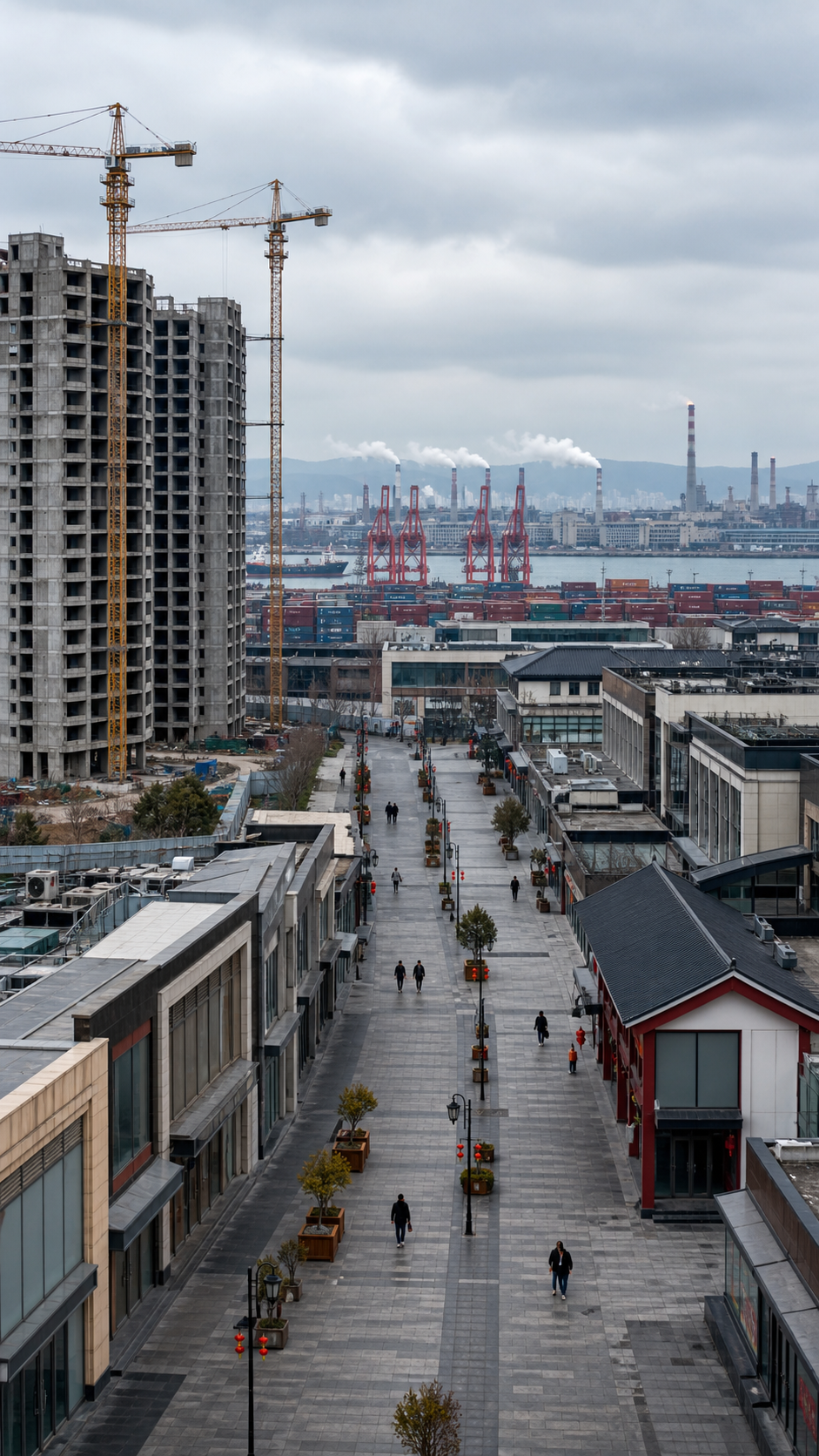
중국 경제가 2022년 말 이후 가장 느린 속도로 성장했습니다. 올해 2분기 국내총생산 증가율은 4.3%로, 1분기 5.0%보다 크게 낮아졌습니다. 숫자만 보면 경기 둔화지만, 안을 들여다보면 중국 경제가 두 방향으로 갈라지고 있습니다.
한쪽은 수출입니다. 6월 수출은 1년 전보다 27% 늘었고, 인공지능 수요가 끌어올린 반도체 수출은 120% 넘게 증가했습니다. 산업생산도 5.3% 확대됐습니다. 그러나 다른 한쪽인 내수는 차갑습니다. 부동산 투자는 상반기에 18% 줄었고, 고정자산 투자도 5.7% 감소했습니다. 집값 하락으로 가계 자산이 약해지자 소비자는 지갑을 닫았고, 부채에 눌린 지방정부도 지출을 줄이고 있습니다. 소매판매는 6월 1.0% 늘며 반등했지만, 한 달의 개선만으로 소비 회복을 단정하기는 어렵습니다. 도시 실업률도 5.0%로 소폭 낮아졌을 뿐입니다.
문제는 이 구조가 오래가기 어렵다는 점입니다. 국내 수요가 살아나지 않으면 중국은 더 많은 제품을 해외로 밀어내야 합니다. 그러면 중국 안에서는 가격 하락 압력이 커지고, 밖에서는 값싼 중국산 제품을 둘러싼 통상 마찰이 거세집니다. 연간 성장 목표를 달성하더라도 성장의 질이 좋아졌다고 보기는 어렵습니다.
한국에는 두 겹의 충격입니다. 중국 소비와 투자가 약해지면 한국의 중간재와 소재 수요가 줄 수 있습니다. 동시에 중국 기업이 반도체, 전기차, 배터리, 철강과 기계 제품을 해외로 더 많이 내보내면 한국 기업과의 가격 경쟁은 심해집니다. 중국의 성장률보다 내수 회복과 수출 압력의 방향을 함께 봐야 하는 이유입니다.
나우앤넥스트였습니다.
English Summary
China’s economy grew 4.3 percent in the second quarter of 2026, its weakest pace since late 2022 and a sharp slowdown from 5.0 percent in the first quarter. The headline figure, however, conceals a widening split inside the economy. Exports rose 27 percent in June, semiconductor exports driven by artificial-intelligence demand increased by more than 120 percent, and industrial production expanded 5.3 percent. By contrast, domestic demand remained weak. Property investment fell 18 percent in the first half of the year, fixed-asset investment declined 5.7 percent, and falling home prices continued to weigh on household wealth and consumer confidence. Local governments constrained by debt also reduced spending.
This imbalance matters beyond China. If domestic consumption and investment do not recover, Chinese producers will have to send more goods into overseas markets. That can deepen price pressure at home while intensifying trade disputes abroad over low-priced Chinese exports and excess capacity. Meeting an annual growth target would therefore not necessarily mean that the quality or sustainability of growth has improved.
For South Korea, the risk comes from two directions. Weaker Chinese consumption and investment may reduce demand for Korean intermediate goods and materials. At the same time, stronger Chinese exports in semiconductors, electric vehicles, batteries, steel, and machinery could increase price competition for Korean companies in global markets. The key indicators are not only China’s overall growth rate, but also the pace of its domestic-demand recovery and the direction of its export pressure.
출처
The Wall Street Journal
“China’s Economy Grows at Weakest Pace Since 2022”
Published: 2026-07-15 (Korea Standard Time)